


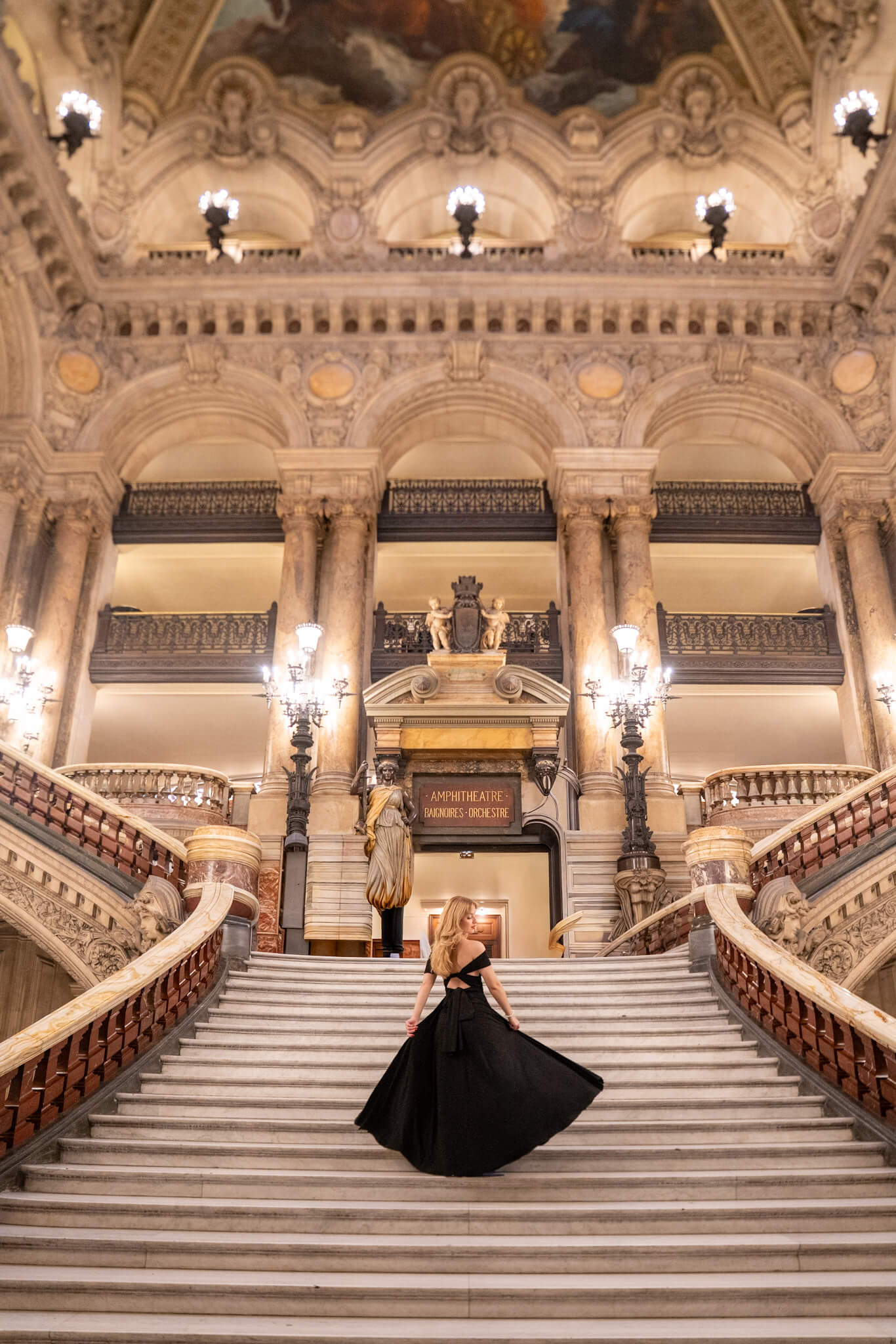
Paris is one of the most photographed cities in the world.
It’s also one of the easiest places to book the wrong photographer.
Beautiful backgrounds are everywhere. Structured, professional experiences are not.
Choosing the right photographer in Paris is not about scrolling until something “looks nice.” It’s about understanding what happens before, during, and after the shoot, and knowing how to spot the difference between aesthetic and expertise.
In this guide, you’ll learn exactly what to check, what questions to ask, and what a professional Paris photoshoot should include, so you can book with clarity, not guesswork.
If you are looking for a reliable photographer in Paris, this guide covers:
Table of Contents
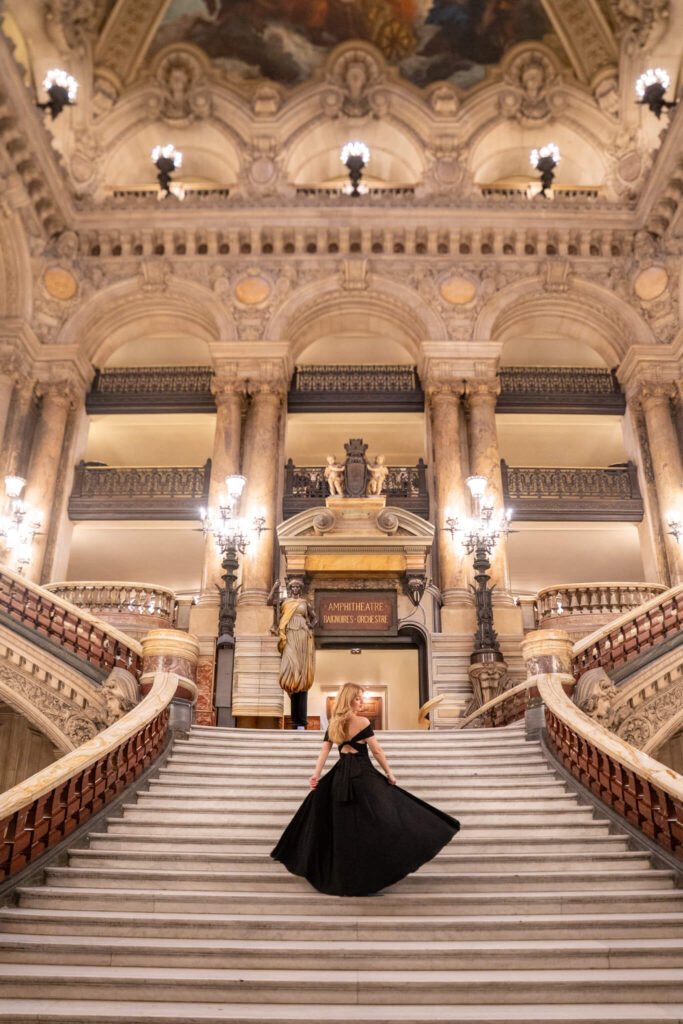
Start With Your Goal (Before You Compare Portfolios)
Most mistakes happen before you even look at a portfolio. Many clients start comparing photographers without clearly defining what they want from the session. When expectations are vague, disappointment becomes more likely, even if the photos are technically good.
Before you evaluate anyone, clarify your goal.
Are you booking :
- A solo portrait session to capture your trip?
- A couple session focused on connection?
- A family session that requires patience and structured guidance?
- A proposal that needs discretion and precise timing?
- A celebration or milestone that calls for variety?
- A Flying Dress Photoshoot?
Each type of session requires a different approach.
You should also decide what matters most to you:
- Iconic landmarks like the Eiffel Tower and the Louvre?
- A softer Paris atmosphere with quiet streets and cafés?
- Natural, candid moments?
- Or more guided and structured posing?
When your expectations are clear, it becomes much easier to evaluate whether a photographer’s style and workflow truly match what you need.
✅ What a Professional Approach Looks Like
A structured photographer should ask you about your goals before confirming locations or timing.
The session should be adapted to you, not the other way around.
🚩 Red Flags
• No questions about your expectations or wishes
• One fixed route offered to every client
• No discussion about timing, light, or session type
• “We’ll decide on the day”
If the goal is not defined early, the experience often feels improvised.
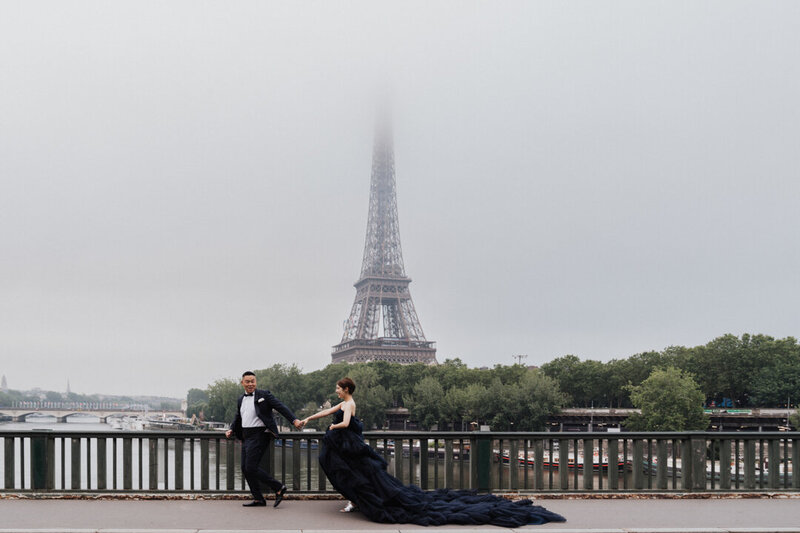
Portfolio: Look Beyond “Pretty Pictures”
A portfolio should do more than impress you.
It should reassure you.
In Paris, many photographers know how to create one beautiful image in perfect light. What matters is whether they can deliver consistent results for real clients, in real conditions.
1️⃣ Start with the editing.
Editing style shapes the final result more than most people realize. Some photographers rely heavily on filters, strong color grading, or excessive skin smoothing. While this can look striking at first glance, overly processed images often age poorly. Trends change. Heavy edits do not always feel timeless.
🔎 Look for:
- Natural skin tones (not grey, orange, or overly bright)
- Balanced light without blown highlights
- Realistic colors
- Texture that still looks human, not airbrushed
Timeless editing will still feel elegant years from now.
2️⃣ Next, look at the people in the portfolio.
It is easy to produce stunning images with professional models during styled shoots. Models know how to pose, move, and hold expressions naturally. That does not necessarily reflect how a photographer guides everyday clients.
🔎 A reliable portfolio should show:
- Different ages
- Different body types
- Different skin tones
- Different levels of confidence in front of the camera
- Different lighting situations (sunrise, cloudy skies, soft shade, busier hours)
If most clients look comfortable and natural, it usually means the photographer knows how to guide clearly and efficiently. If possible, ask to see full galleries. A complete session tells you far more than a perfectly curated highlight reel.
✅ What a Professional Approach Looks Like
A professional portfolio should show:
• Consistent editing across sessions
• Natural skin tones
• Different lighting situations (sunrise, shade, cloudy days)
• Real clients, not only models, influencers or inspiration shoots
• Clear posing guidance visible in body language
Consistency is more important than one spectacular image.
🚩 Red Flags
• Overly filtered or heavily retouched images
• Unrealistic skin smoothing or altered body proportions
• Only professional models featured
• No visible variety in age, body type, or skin tone
• Editing that changes dramatically from one image to another
Reviews & Trust Signals: Focus on Real Client Experience
A portfolio shows what a photographer can create.
Reviews show how the experience actually feels.
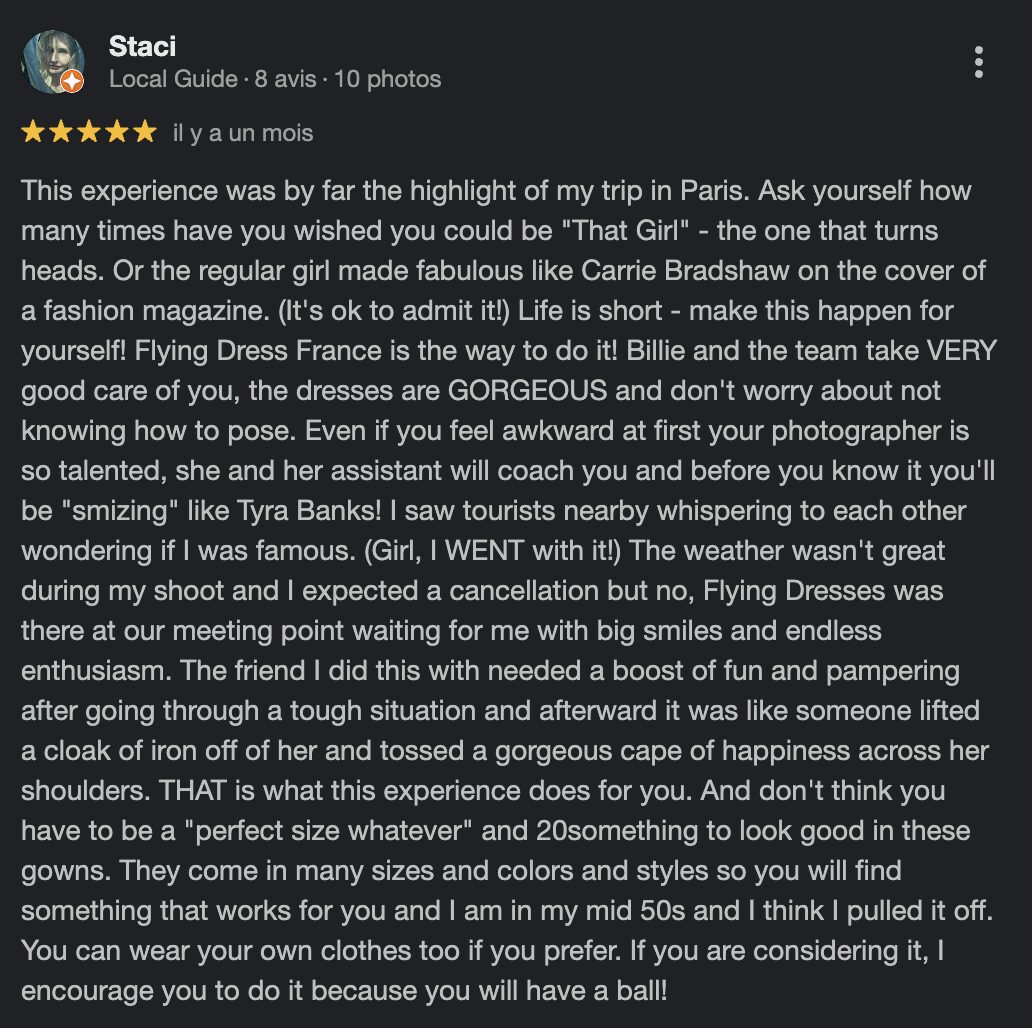
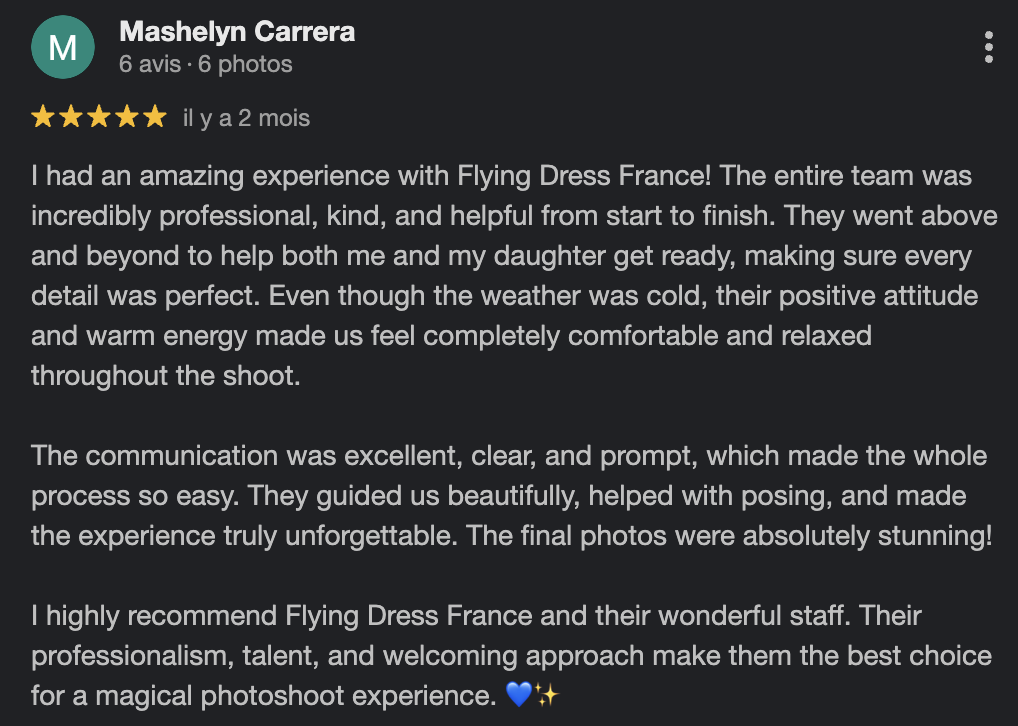
When reading reviews, look for specifics. “Beautiful photos” is positive, but it does not tell you how organized the session was or whether expectations were met.
🔎 The most useful reviews mention concrete elements such as:
- Clear communication before the shoot
- Feeling guided and comfortable during the session
- Punctuality and time management
- How unexpected situations were handled (weather, crowds, timing)
- Whether the delivery timeline was respected
Details reflect structure. Patterns matter more than one extreme opinion. A single negative review does not define a photographer. Repeated issues do.
Recency also matters. A steady flow of recent reviews, especially within the last few weeks or months, usually indicates an active and consistent business. It suggests that the workflow, communication, and delivery process are currently functioning well.
Very old reviews, with no recent feedback, may raise questions about whether the photographer is still operating at the same level or frequency.
It is also important to check where the reviews are published. Different platforms offer different levels of credibility. Public review platforms such as Google are generally harder to control or curate. Reviews displayed only on a personal website or selected social media highlights can be positive, but they are easier to filter. Ideally, you should see a mix: independent public reviews and consistent feedback across platforms.
Ask yourself: do clients describe an experience that feels organized, reliable, and professional from beginning to end? That is what you want to see.

✅ What a Professional Approach Looks Like
Trustworthy reviews usually describe the experience, not just the photos.
You should see clients mentioning:
• Clear communication before the session
• Feeling guided and comfortable during the shoot
• Respect of the delivery timeline
• An organized and predictable process
Another strong indicator is recency.
Regular, recent reviews suggest an active and stable workflow. It shows the photographer is consistently delivering sessions, not relying on feedback from years ago. When reviews are detailed, recent, and consistent, they usually reflect real structure behind the scenes.
🚩 Red Flags
• Only short, generic compliments
• No public reviews (only private screenshots)
• No clear website or documented process
• No written policies visible
• Reviews that mention late delivery or unclear communication repeatedly
• And multiple bad reviews of course…
If reviews leave you with more questions than reassurance, that is important information.
Communication & First Contact: Pay Attention to the First Exchange
At this point, you likely have:
- A clear idea of the type of session you want
- A portfolio you genuinely like
- Reviews that feel reassuring
The next step is simple: you reach out. And this moment matters more than most people think.
The first exchange is not just about availability. It is a preview of how the entire experience will be handled.
When you send your inquiry, pay attention to how you feel after receiving the reply.
Did it clarify things, or create more questions?
🔎 Here are the elements that truly matter.
- Response time: A professional photographer should reply within a reasonable timeframe.
- Clarity: Are your questions answered directly? Or are the replies vague and incomplete?
- Structure: Do they clearly explain the next steps? Deposit, contract, timeline? Or do you have to ask repeatedly?
- Engagement: Do they ask about your goals, your dates, your expectations? Or does the message feel identical to what everyone else receives?
- Tone: Do you feel respected and guided, or rushed and pressured?
A well-organized photographer can explain their process in a few clear sentences. You should leave the conversation understanding exactly what happens next.
⚠️ If communication feels chaotic before payment, it rarely becomes more structured afterward ⚠️
✅ What a Professional First Contact Usually Includes
In a strong initial exchange, you will often notice:
• A clear explanation of availability
• A transparent outline of what is included
• Defined payment terms
• A mention of contract or written confirmation
• An explanation of delivery timelines
Most importantly, you should feel calmer after reading the message. Clarity builds trust.
🚩 Red Flags
• Long delays with no acknowledgment
• Avoiding direct answers about pricing or timelines
• Pressure to send payment quickly
• No written confirmation of details
• Generic responses that ignore your specific request
If you feel uncertain or slightly uncomfortable after the first exchange, pay attention to that feeling.
Choosing the right photographer in Paris is not only about aesthetic preference. It is about structure, communication, and reliability from the very first message.
What You Must Confirm Before Paying a Deposit
At this stage, communication feels clear, the portfolio matches your expectations, and the reviews are reassuring.
The next step is simple: verify the details before sending any deposit.
In reality, if the photographer is well-structured, most of these answers should already be available on their website, ideally in a clear FAQ section.
You should not have to guess how things work.
A professional service is documented. If there is no FAQ and everything stays unclear, it is a red flag. It usually means the process is not well defined.
If there is no FAQ, no clear explanation of process, no written policies, then yes, you will need to ask these questions directly. But ideally, much of this information should already be transparent.
Here is what you should always be able to confirm.
1. Deliverables & Image Selection
This should be clearly explained online.
You should already know:
- How many edited photos are included
- Whether you choose your favorites
- Or whether the photographer selects them
- Whether additional images can be purchased
If you cannot find this information anywhere, that is a sign the workflow may not be clearly structured.
You should never discover after the session that you had no control over image selection because it was never clarified.
Transparency avoids frustration.
2. Delivery Timeline
Delivery timing should never be a surprise.
A professional photographer should state clearly:
- When you receive the proof gallery (if applicable)
- How long final edited photos take after selection
- Whether an express option exists
If this is not mentioned on the website or in writing, ask.
In Paris, timelines vary widely. Some photographers deliver quickly. Others take weeks. Some may take much longer. There is no universal delay.
What matters is that the timeline is defined before you commit, ideally written in the contract. If delivery timing is vague, you risk having to follow up repeatedly after your session.
3. Editing Scope: What Is Included, and What Is Not
Professional websites usually explain what “editing” means in their workflow.
You should understand:
- What level of retouching is included
- What is not included
- Whether additional retouching can be added
If editing remains undefined, expectations can easily misalign. Clear boundaries signal a defined process.
4. Weather Policy (Paris Reality)
Paris weather is unpredictable.
A professional photographer should have a written weather policy. It should explain:
- What happens in case of rain
- What qualifies for rescheduling
- Whether backup locations are suggested
- How rescheduling works for short stays
If the answer is improvised or unclear, that is something to consider carefully. Weather policies protect both parties.
5. Rescheduling & Cancellation Terms
You should not have to ask basic contractual questions repeatedly.
These points should already be written somewhere visible:
- Deposit amount
- What the deposit secures
- When the remaining balance is due
- Cancellation deadlines
- Refund or credit policies
If terms are not documented, request them in writing. Professional structure is documented structure.
6. Payment & Legal Structure
In France, professional photographers operate as registered businesses.
That typically includes:
- Secure online payment platforms
- Clear invoicing
- VAT included in service pricing
- A written agreement
If you are asked to pay a large portion in cash without documentation, this is a serious warning sign. It may indicate an informal operation without proper legal framework.
Concretely, this can mean:
- There is no official business behind the service
- There is no legal contract protecting you
- The person could disappear without delivering your photos
- There may be no professional insurance coverage
If something unexpected happens during the session, an accident, equipment damage, or an issue in a public space, insurance matters. Professional liability coverage protects both the photographer and the client.
A legally structured photographer makes payment simple, secure, and documented. You should receive confirmation, invoicing, and written terms. Not just a verbal agreement.
When payment is transparent and traceable, your experience is protected from the beginning.
✅ What a Professional Setup Looks Like
Before sending a deposit, you should notice:
• A clear FAQ page
• Transparent explanations of process
• Defined timelines
• Written policies
• Secure payment methods
You should feel informed without needing to investigate excessively. When a photographer has done the work upfront, your job becomes easier.
🚩 Red Flags
• No FAQ or explanation of process
• No written policies
• Vague answers when asked about timelines
• Unclear editing details
• Large undocumented cash requests
If you feel like you are assembling the information yourself piece by piece, the structure may not be solid behind the scenes. Booking a photographer in Paris should feel clear and organized long before the camera is even picked up.
Pricing in Paris: What You’re Really Paying For
Photoshoots prices vary widely in Paris. That is normal.
What matters is understanding what is behind the number, because two photographers can offer the same duration and still deliver a completely different experience.
Why Prices Differ
You are not only paying for shooting time.
A photoshoot in Paris includes far more than the hour spent in front of the camera. Pricing reflects the photographer’s or agency experience and ability to direct efficiently, the time invested in preparation and route planning, and the hours dedicated to post-production and editing.
It also includes the reality of operating a legal business in France: professional registration, insurance, equipment investment, studio and staff sometimes + VAT at 20% on services, which is not refundable for visitors.
Operating legally and sustainably in Paris comes with real costs. That structure is part of what you are paying for, and it is what allows the experience to be reliable and professionally managed.
When Low Pricing Becomes a Risk
A clear warning sign is pricing that feels unrealistically low for Paris.
If it looks too good to be true, it usually is.
Extremely low rates often come with trade-offs:
- Limited guidance
- (Very) rushed sessions
- Inconsistent results
- Unclear deliverables
- No structured workflow after the shoot
The goal is not to overpay.
The goal is to invest in a service that is reliable, well-defined, and professionally structured.
✅ What Professional Pricing Should Look Like
For a legally registered professional photographer in Paris, a one-hour session typically falls within:
• 250€ – 300€ → Entry-level professional
• 300€ – 700€ → Experienced and structured service
• 800€ + → Very Premium or highly curated experience
🚩 Red Flags
• Pricing dramatically below market average
• No mention of VAT or legal status
• Large cash requests without documentation
• No contract or written agreement
• Vague answers about deliverables or timeline
• If the structure behind the price is unclear, that is where the real risk lies.
In Paris, you are not only paying for photos. You are paying for reliability.
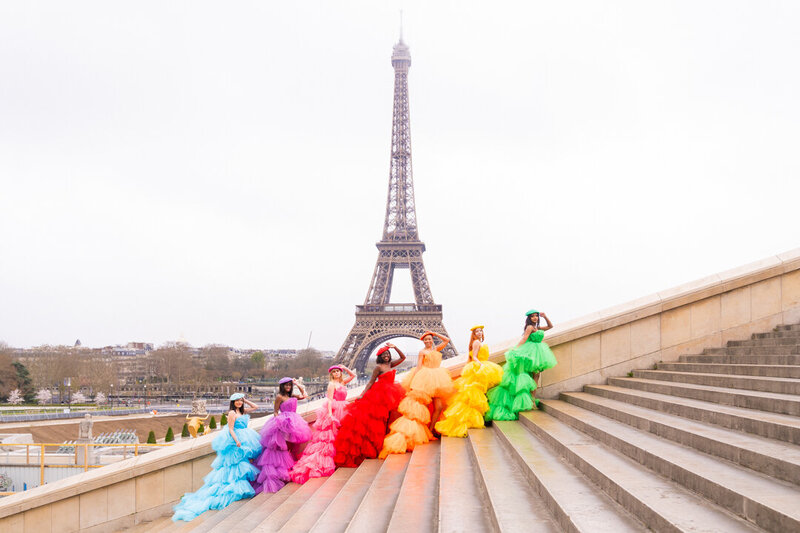
Direction & Logistics in Paris: Where Disappointment Often Happens
In Paris, beautiful photos are not only about talent.
They depend on timing, planning, and coordination.
The city is stunning, and complex. Landmarks are crowded at certain hours. Streets are larger than they appear on maps. Traffic can slow transitions. Some areas have restrictions. Others require careful positioning to avoid chaos.
Disappointment rarely comes from the backdrop. It comes from poor planning on the day of the shoot.
The good news is that you can evaluate this before booking.
1. Do They Guide You on the Best Time of Day?
A professional photographer should explain:
- Why sunrise may be recommended for iconic landmarks
- Why certain hours at the Trocadéro or Louvre are extremely crowded
- How light changes depending on season
- What compromises come with specific time slots
If someone promises that there will be “no one” at a major landmark in the middle of the afternoon, that is unrealistic.
Crowds cannot be removed. They can only be anticipated and managed. Clear guidance on timing is one of the strongest indicators of local expertise.
2. Do They Propose a Realistic Location Plan?
Paris looks compact on a map. In reality:
- Walking between landmarks takes time
- Outfit changes slow transitions
- Crowds create delays
- Some combinations simply do not make sense in one hour
A structured photographer should:
- Recommend realistic location combinations
- Explain how many spots fit comfortably into your session
- Clarify whether transportation is needed between areas
- Warn you if a plan is too ambitious
If a photographer promises 3 major landmarks in one short session without discussing logistics, question how that will actually work.
3. Do They Provide Clear Meeting & Access Instructions?
Professional coordination includes:
- A precise meeting point
- A clear Google Maps pin
- Instructions on how to access the location
- Backup guidance if an entrance is crowded
- Offer to book a transfert for you if needed
“Meet at the Eiffel Tower” is not specific enough. Without exact instructions, small delays become stressful.
4. Is There Structured Communication for the Day?
On the day of your shoot, small issues can happen:
- You exit the metro on the wrong side
- A road is temporarily blocked
- You are running slightly late
There should be a direct communication method (for example WhatsApp) so adjustments can be handled immediately. In a busy city, real-time communication prevents unnecessary stress.
5. Do They Provide Pre-Shoot Guidance?
Preparation is part of professionalism.
You should receive guidance on:
- What to wear
- When to arrive
- Transportation tips
- How to prepare for iconic crowded areas
Without preparation, the day can feel rushed and chaotic. Paris is not forgiving when logistics are improvised.
✅ What Professional Planning Looks Like
Before booking, you should notice:
• Specific time recommendations
• Realistic location planning
• Honest explanations about crowds
• Clear meeting instructions with map pins
• Defined communication for the day
• Written preparation guidance
You should feel organized before the session even begins. Strong planning creates calm, even in a busy city.
🚩 Red Flags
• Promises of empty landmarks at peak hours
• Unrealistic number of locations for the time booked
• No discussion of light, season, or crowd levels
• No clear meeting point or map pin
• No real-time communication method
• No preparation guidance
In Paris, disappointment rarely comes from the camera. It comes from poor coordination. Planning is not an extra detail. It is what protects your experience.
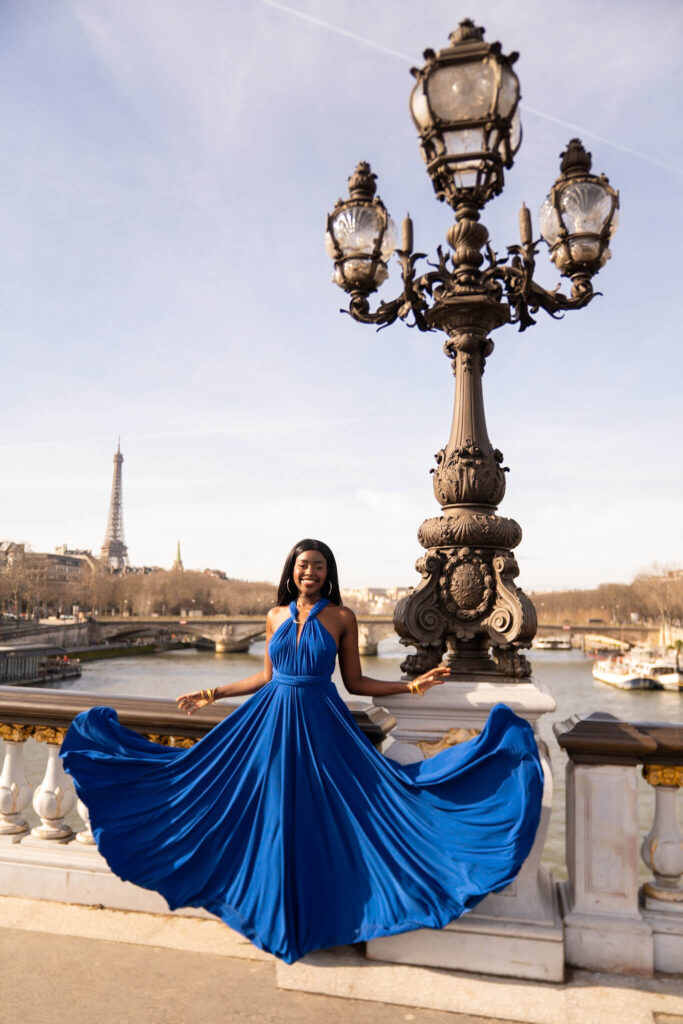
✅ Quick Checklist: Save This Before You Book
Before confirming your photographer in Paris, take two minutes and review these 10 points. If most of these answers are clear and reassuring, you are likely in good hands.
✅ The portfolio shows consistent results, not just one perfect image.
You are not impressed by a single viral shot. You see quality repeated across multiple sessions, in different lighting conditions, with different clients. Consistency is what protects your result.
✅ You see real clients of different ages, body types, and lighting conditions.
The portfolio reflects real diversity. Different skin tones, different confidence levels, sunrise sessions, cloudy days, busy landmarks, and the quality remains stable. That means the photographer knows how to adapt, not just perform in perfect conditions.
✅ Reviews are detailed, recent, and available on independent platforms.
You are not relying on curated screenshots. You see structured, public reviews, ideally on platforms like Google, with recent feedback that mentions communication, timing, and delivery. You feel reassured not only by the photos, but by the experience described.
✅ The photographer explains realistic timing for landmarks and crowd levels.
Instead of promising empty monuments at 2 PM, they explain:
Why sunrise may be better / What to expect at certain hours / How to manage crowded areas / Honest timing guidance reflects real local expertise.
✅ The proposed location plan makes sense for the duration you booked.
The route feels realistic. You are not promised many major landmarks in one hour without explanation. You understand how transitions will work, and whether transportation is needed. The session feels planned, not improvised.
✅ You receive a precise meeting point with a clear Google Maps pin.
You are not told to “meet near the Eiffel Tower.” You receive: An exact meeting location + A map link + Clear instructions. Small logistical clarity prevents big stress on the day.
✅ There is a preparation guide before the session.
You are told: / What to wear / When to arrive / What to expect regarding weather / How to prepare for busy areas.
✅ Payment is secure, documented, and professionally structured.
You receive: A secure payment link + Clear invoicing + Written confirmation + Defined terms
Everything is traceable and transparent. Professional structure protects both sides.
✅ Deliverables, editing scope, and timelines are clearly defined in writing.
You know: How many edited photos are included + Whether you choose your images + When the proof gallery arrives + When final edits are delivered
✅ Communication makes you feel informed, not confused.
After your first exchange, you feel calmer. You understand the process. You know the next step. Your questions are answered directly. Confidence is not something you convince yourself of. It is something you feel.
If several of these points feel unclear, take the time to ask questions.
Choosing the right photographer in Paris is not about finding the cheapest option or the most visible account online.
It is about choosing the one whose planning, transparency, and clarity protect your experience, long before the camera is even picked up.
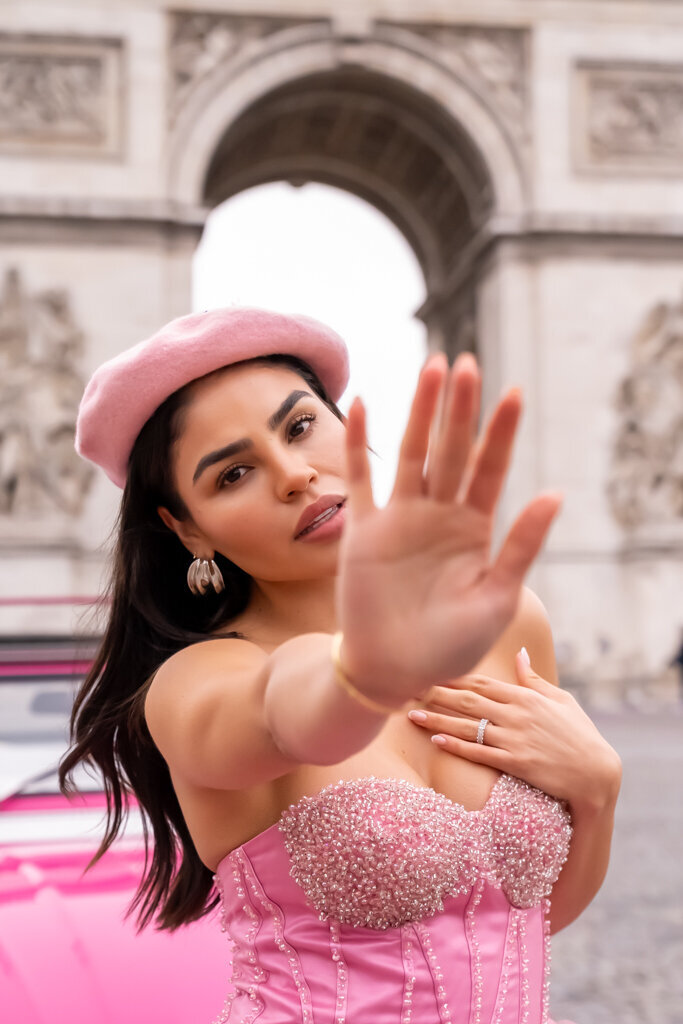
🚩 10 Red Flags You Should Not Ignore
If you notice several of the following, pause before booking. In Paris, disappointment often starts with small warning signs that were ignored.
When choosing a photographer in Paris, disappointment rarely comes as a surprise. It usually follows warning signs that were visible from the start.
Here are the ten biggest red flags to take seriously.
🚩 The portfolio shows only models or styled shoots
If every photo features professional-looking models in perfectly controlled situations, it may not reflect real client experience. A strong portfolio should show diversity: different ages, body types, skin tones, lighting conditions, and real couples or families.
🚩 The editing looks heavily filtered or unrealistic
Over-smoothed skin, unnatural colors, dramatic filters, or extreme contrast can look trendy, but they rarely age well. Editing should feel refined and consistent, not artificial. If the style feels excessive, consider how it will look in five years.
🚩 Reviews are vague, very old, or only shown on the website
Short comments like “Amazing!” tell you very little. If reviews are outdated or only visible on curated platforms, verify their source. Independent, recent reviews matter.
🚩 Pricing feels unrealistically low for Paris
If the price is dramatically below market average, something is likely missing: Structure, legal registration, editing time, insurance, or experience. Paris is expensive to operate in. Extremely low rates rarely reflect a fully structured business.
🚩 No clear delivery timeline
If you cannot get a precise answer about when photos will be delivered, that is a risk. Professional services define timelines in advance.
🚩 No contract or written terms
If everything is verbal and nothing is documented, you have no clear protection. Professional structure includes written confirmation and contract.
🚩 Unrealistic promises about crowds or timing
If someone guarantees empty landmarks at peak hours without explaining timing strategy, that is not realistic. Crowds in Paris cannot be eliminated, only managed.
🚩 Overpacked location promises
If too many major landmarks are promised within a short session, without logistics explained, expectations may not match reality. Planning in Paris requires realism.
🚩 No clear meeting point or preparation guidance
If you receive no precise Google Maps pin, no access instructions, and no preparation advice, the day can quickly become stressful. Strong logistics are visible before the session begins.
🚩 Communication feels unclear or evasive
If you leave conversations feeling confused, pressured, or unsure, that is a signal. Clarity should increase as you move closer to booking, not decrease.
Choosing the right photographer in Paris is not about perfection. It is about avoiding predictable disappointment. Most issues are visible long before the camera is even picked up.
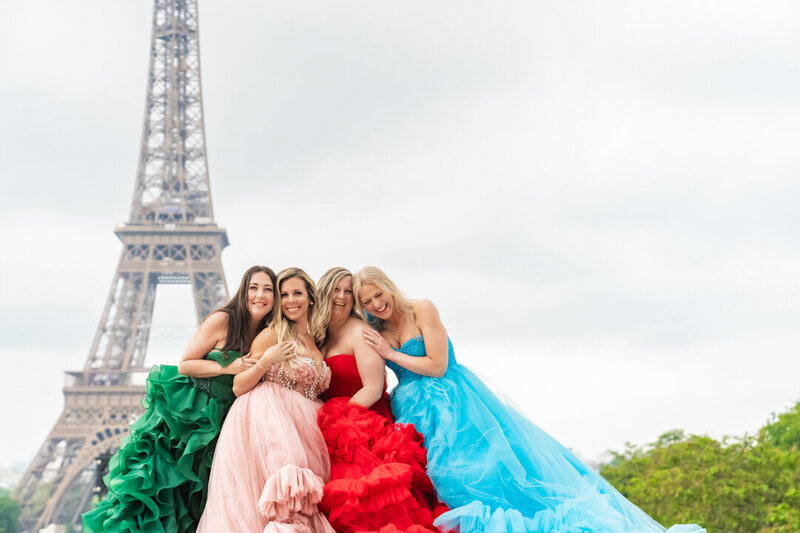
Final Advice to Choose the Right Photographer in Paris
Choosing a photographer in Paris is not about finding the most visible account online.
It is about choosing structure over improvisation.
Choose the photographer who:
- Explains timing honestly
- Plans realistically
- Documents their process clearly
- Communicates transparently
- Makes you feel calm before the session even begins
When a professional has done the work, clear FAQs, structured booking, defined timelines, realistic planning, you feel it immediately.
You are not guessing.
You are not hoping.
You are confident.
At Flying Dress France, we have built our process around clarity and intention. From transparent collections and secure online booking to detailed preparation guidance, realistic location planning, and structured post-production timelines, every step is defined in advance.
Because a photoshoot in Paris should feel exciting, not uncertain.
If you are comparing photographers, take your time. Ask thoughtful questions. Review the details carefully. And choose the one whose approach makes you feel confident from the very beginning.
If you feel that our vision, our structure, and our way of guiding might be the right fit for your photoshoot in Paris, we would be delighted to connect with you.
We would love to plan something meaningful and beautifully aligned with your vision 🫶
See you soon in Paris ❤️


